
When the World Becomes Unpredictable, International Moving Feels It First
Global logistics in a time of growing uncertainty
Global logistics is once again facing a period of uncertainty. Rising geopolitical tensions are beginning to affect key maritime routes, creating ripple effects across international supply chains.
For the international moving industry, these disruptions can be felt almost immediately. Every relocation depends on a complex global network of shipping lines, ports, agents and logistics partners. When that network becomes unstable, the impact quickly reaches companies, clients and families planning international moves.
How geopolitical tensions affect global shipping
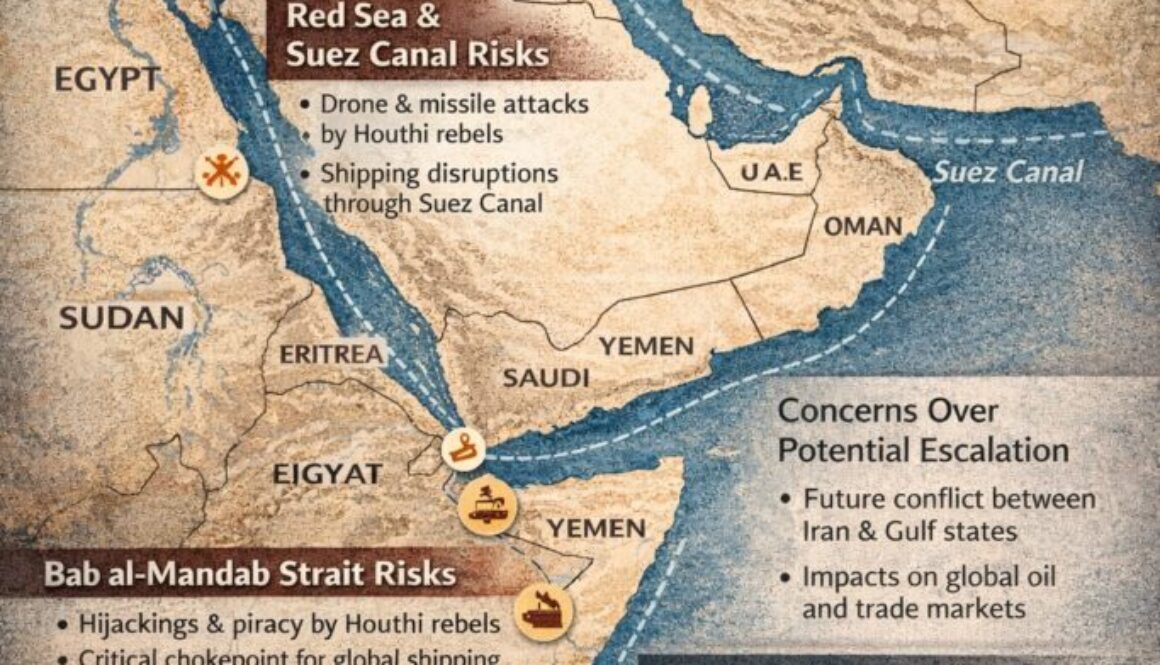
The escalation of conflict in the Middle East has already begun to disrupt some of the world’s most important shipping routes.
One of the most critical areas is the Strait of Hormuz, through which roughly 20 percent of the world’s oil supply normally passes. As tensions increase, the region has become a high-risk zone for commercial shipping, forcing carriers and insurers to reassess operations in the area.
The effects on shipping costs appeared almost immediately.
Container rates on the Shanghai–Jebel Ali route increased from around $1,800 to approximately $3,000–$4,000 per forty-foot container. At the same time, carriers introduced emergency surcharges reaching up to $3,000 per container due to growing security risks in the region.
Insurance costs are also rising. War risk insurance premiums have increased from roughly 0.25 percent to as much as 1.5 percent of a vessel’s value. For large commercial vessels this can represent hundreds of thousands of dollars for a single voyage.
What this means for the international moving industry
For companies involved in international relocations, the biggest challenge created by these developments is unpredictability.
Shipments that once followed relatively stable sailing schedules are now affected by sudden changes across the maritime network. Container bookings may be cancelled or adjusted with little notice, vessels may be rerouted during transit, and additional fuel, security and insurance costs can appear unexpectedly.
At the same time, transit times are becoming longer and the availability of containers and equipment is becoming less certain.
From daily operational experience in international relocations, it is clear how much the environment has changed. Not long ago shipments could be planned weeks in advance around relatively predictable sailing schedules. Today many logistical decisions must be made almost in real time, responding to rapidly changing conditions across global shipping routes.
For clients, this often means that household goods shipments which previously moved within relatively predictable timeframes may now require greater flexibility and longer transit periods.
The importance of partnerships in times of disruption
In moments like this, the international moving industry is reminded how closely our work is connected to global events.
Behind every container there is a personal story: a family relocating, a new professional opportunity, or the beginning of life in another country. Ensuring that these transitions happen as smoothly as possible remains the core responsibility of relocation professionals worldwide.
At the same time, many outstanding moving companies across the Middle East are currently facing these challenges directly on the ground. Their professionalism, resilience and commitment to their clients deserve recognition and support from the wider global relocation community.
Once again, our industry must rise to the challenge together. As in previous crises, the most important factors remain strong partnerships, cooperation and a sense of community across our global network.





![IAMX_Validation Icon (Small)[2][1][1]](https://arkpol.com/wp-content/uploads/2022/03/IAMX_Validation-Icon-Small211.jpg "IAMX_Validation Icon (Small)[2][1][1]")